
Blog
How to Store Cannabis and Mushrooms So They Actually Last
Jul
You can buy the best product available and lose a meaningful share of it to a sunny windowsill. Storage is the least glamorous thing we write about and probably the highest-return.
The four enemies
- Light. UV degrades cannabinoids faster than anything else. Opaque containers, or a dark cupboard.
- Heat. Accelerates degradation and, for flower, dries it out. Room temperature or slightly below.
- Air. Oxidation converts THC to CBN over time — which is why old flower feels more sedating and less potent. Airtight containers, minimal headroom.
- Humidity. Too high and you risk mould. Too low and terpenes evaporate and flower turns to dust.
Cannabis flower
Aim for 59–63% relative humidity. Two-way humidity packs hold this well and cost very little. Glass jars beat plastic bags — plastic builds static that strips trichomes, and most bags are not truly airtight. Stored properly, flower holds well for six months to a year.
Do not refrigerate or freeze flower. Condensation on temperature swings invites mould, and frozen trichomes become brittle and break off.
Concentrates
Cooler than flower, and airtight. Silicone or glass. Many people keep them refrigerated — if you do, let the container reach room temperature before opening so moisture does not condense inside.
Dried mushrooms
Dryness is the priority. Properly dried mushrooms should snap, not bend. Airtight container, desiccant packet, dark cupboard. Any bending means residual moisture, which means mould risk.
Edibles and capsules
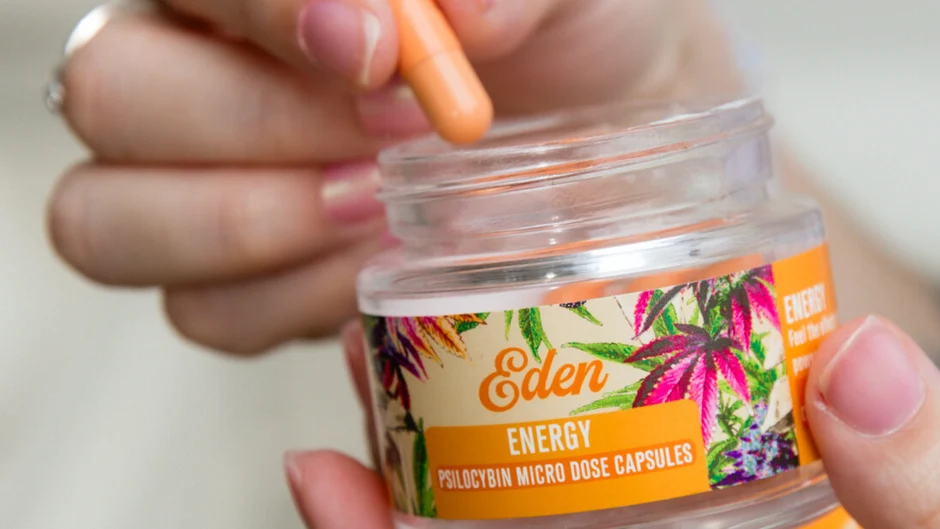
Follow the packaging — many contain chocolate or gelatin with their own requirements. And the one that matters most: store anything edible where children and pets cannot reach it. Edibles look like food because they are food, and this is where the genuinely serious accidents happen.
