Blog
Functional Mushrooms vs Psilocybin: Lion’s Mane, Reishi and Cordyceps Explained
Jul
“Mushrooms” covers two quite different categories, and conflating them causes confusion in both directions — people expecting effects they will not get, and people avoiding products that are not psychoactive at all.
Functional mushrooms
These contain no psilocybin. They are food, taken daily, and any effects are subtle and cumulative rather than acute. The common ones:
- Lion’s Mane — the most researched for cognitive support. Studies exist in humans, though they are small and results are mixed.
- Reishi — traditionally used for sleep and stress. Evidence is largely preclinical.
- Cordyceps — associated with energy and exercise performance. Some small human trials show modest effects.
- Chaga and Turkey Tail — generally studied for immune-related markers.
The honest framing: these have a long traditional record and a growing but still thin modern evidence base. Treat them as a supplement, not a treatment.
Psilocybin mushrooms
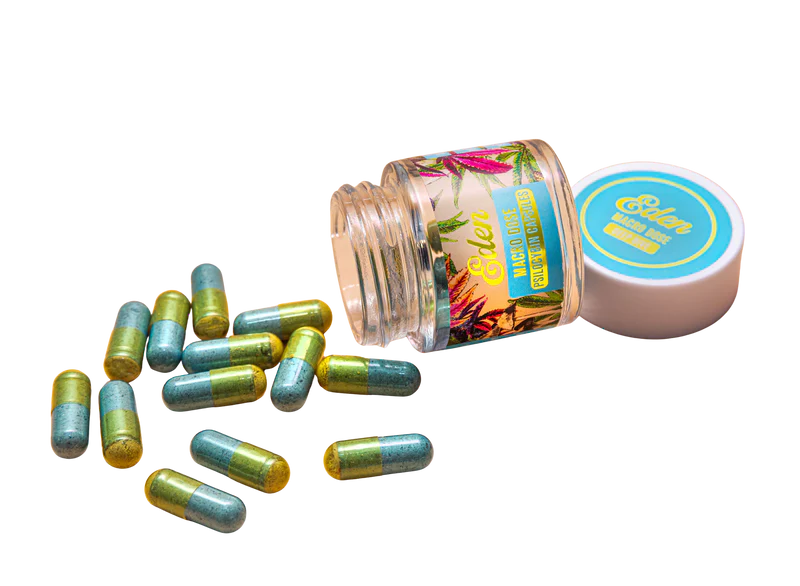
These are psychoactive. Effects are acute, dose-dependent and unmistakable at higher amounts. They are used either at microdose levels — sub-perceptual, taken on a schedule — or at macrodose levels, which produce a full experience and warrant real preparation.
Choosing between them
If you want something to take every morning with coffee that you will barely notice, that is a functional mushroom. If you are interested in the psychedelic research everyone is discussing, that is psilocybin, and it deserves more planning than a supplement does.
They also combine — plenty of people take lion’s mane daily and approach psilocybin entirely separately.
Browse our capsules and raw mushrooms.
